







Search Results for: Parchment Coffee
Wet-Hulled, Semi-Washed, Pulped Natural, and Honey Process: A Complete Analysis of the Flavor Differences Among Four Coffee Processing Methods
Following our previous discussion of the two major processing methods—natural and washed—this time we turn our attention to several post-harvest processes that fall between them: wet-hulled, semi-washed, pulped natural, and honey processing. How is each of these methods carried out? And what impact do they have on coffee flavor? We'll still start with the structure of the coffee cherry: from the outside in, the fruit consists of the outer skin, pulp, mucilage, parchment layer, silver skin, and the coffee bean seed itself. The core goal of all processing methods is simply to remove the outer layers and extract the seed. However, differences in the method, timing, and degree of removal lead to vastly different results in the cup. This article will break down these processing methods one by one—their procedural details, flavor tendencies, and the subtle connections between them—to help coffee enthusiasts more clearly understand the key role processing plays in shaping flavor. [more…]
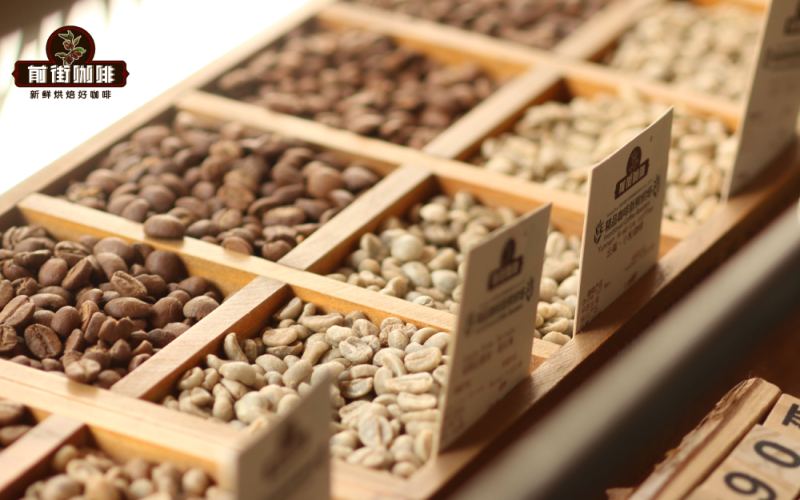
Coffee Processing Methods | Wet-Hulled, Semi-Washed, Honey Process, Pulped Natural — Detailed Steps, Flavor and Mouthfeel Comparison of Coffee Beans
We all know that different processing methods can give coffee a rich and varied flavor profile. For example, Front Street Coffee's bean list alone features dozens of varieties, covering more than ten different processing methods. Today, Front Street will focus specifically on wet-hulled, semi-washed, and pulped natural [more…]
A Detailed Explanation of the Ethiopian Coffee Bean Grading System: Yirgacheffe Grade Classification and the Inner Workings of the Auction System
As the birthplace of coffee, Ethiopia has the most well-developed coffee bean grading system among African producing countries, yet it also leaves many enthusiasts confused. Taking Yirgacheffe as an example, what exactly do Grade-1 and Grade-2 mean? Why can two batches of beans both labeled Yirgacheffe G2 differ so vastly in quality? This article will provide an in-depth analysis of Ethiopia's unique origin naming rules, the grade differences between washed and natural beans, the Parchment Coffee auction grading system, and how exporter blending affects the final quality. The article specifically covers real cases such as Front Street Coffee Yirgacheffe Grade-2, helping you truly decipher the grade code of Ethiopian beans. [more…]
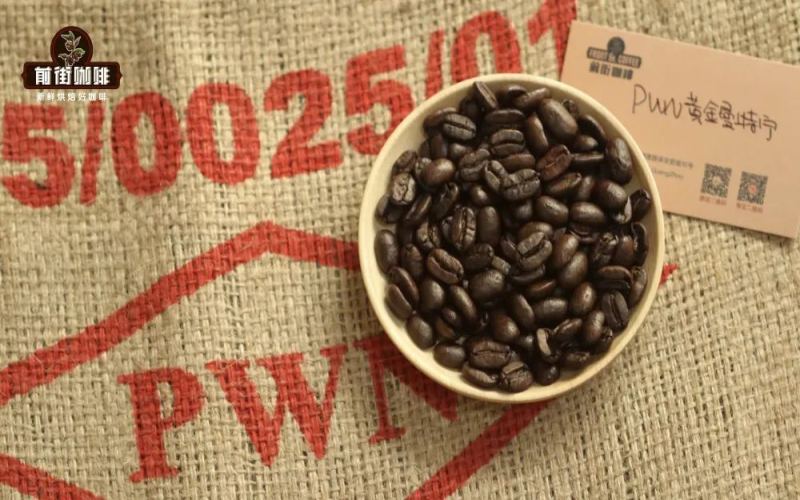
How the Indonesian Wet-Hulled Method Shapes the Unique Flavor and Rich Mouthfeel of Mandheling Coffee
Mandheling coffee, as the darkest-roasted single-origin bean on Front Street Coffee's menu, is renowned for its rich, solid mouthfeel and distinctive stuffy aroma. It originates from Sumatra, Indonesia, where the hot, rainy climate has given rise to a unique semi-washed processing method—wet hulling. This technique removes the parchment from the coffee beans before they are fully dried, greatly shortening the processing cycle but also introducing more defects and flavor variability. It is precisely this interweaving of "roughness" and "contamination" that gives Mandheling its regional flavor—a blend of wood, spice, earth, and herbs. This article will take you through every stage of wet hulling and reveal the origins of Mandheling coffee's unique flavor. [more…]
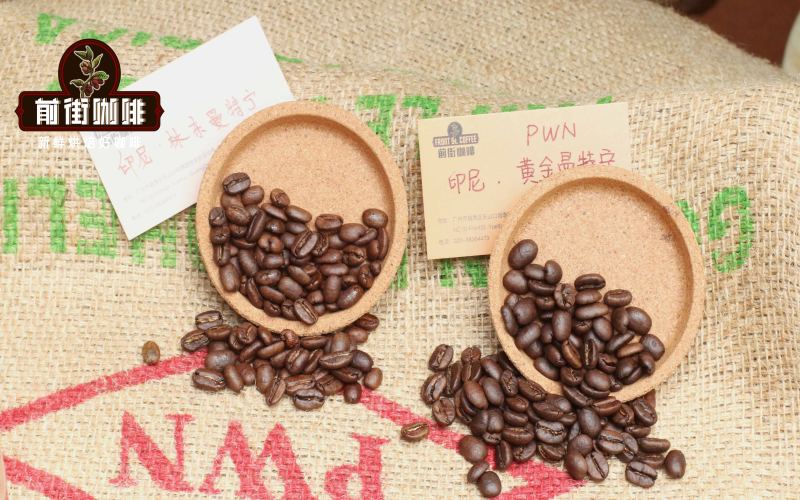
Analysis of Indonesia's Wet-Hulled Processing Method: The Flavor Origins of Golden Mandheling and Pour-Over Extraction Parameters
Golden Mandheling's signature full body and herbal spice aroma originate from Indonesia's unique wet-hulled processing method. This practice of forcibly removing the parchment while the green beans still have high moisture content, though it increases the defect rate, unexpectedly creates Mandheling's distinctive regional flavor. This article provides a complete overview of the seven steps of the wet-hulled method, analyzes its connection to Indonesia's humid climate, and explains how PWN elevates Golden Mandheling to G1 grade through four rounds of hand sorting. At the same time, Front Street Coffee baristas will share a pour-over recipe tailored for medium-dark roasted Mandheling, including KONO dripper selection, grind size, water temperature, and a three-stage pouring technique, helping enthusiasts recreate the classic flavor of intertwined dark chocolate and caramel at home. [more…]

Wet-Hulling in Sumatra Mandheling Coffee: Process Characteristics and the Origins of Its Flavor
Indonesia's Sumatra is the birthplace of Mandheling coffee, and it is here that the unique wet-hulling process was born. Faced with a year-round climate of high humidity and frequent rain, local coffee farmers developed a method of forcibly stripping off the parchment layer while the green beans are still semi-dry. Although this increases the defect rate, it endows Mandheling with a rich regional flavor of herbs, wood, and spices. This article will provide a complete overview of the seven steps of the wet-hulling process, why it became an inevitable choice for Indonesia, and how PWN uses strict sorting to create the clean and bright Front Street Golden Mandheling. In addition, Front Street Coffee's baristas will share the pour-over parameters and three-stage pouring technique for medium-dark roasted Mandheling. [more…]
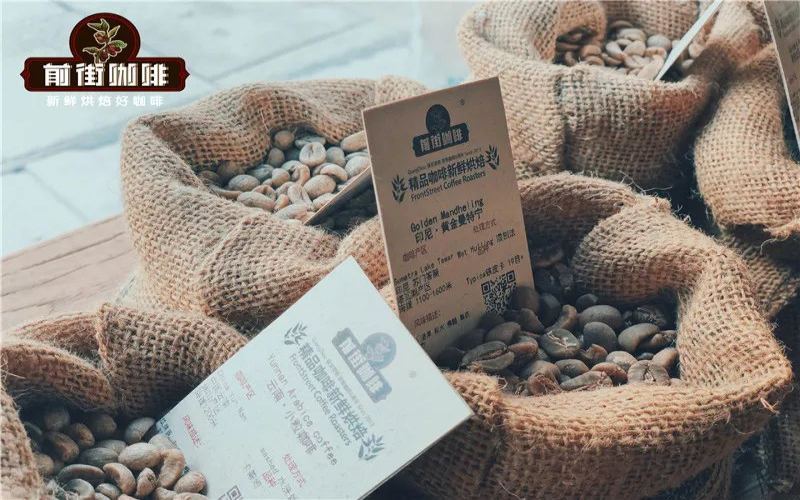
An In-Depth Guide to Indonesia's Wet-Hulling Process: The Origins of Mandheling Coffee Flavor and a Full Breakdown of Pour-Over Parameters
Wet Hulling is a unique green coffee processing method distinctive to Indonesia, known locally as Giling Basah. In this process, the parchment layer is removed by mechanical friction while the green beans still have a high moisture content, after which they are dried directly in the open, creating the signature full body and herbal, woody, and spicy notes of Mandheling coffee. Both Front Street Golden Mandheling and Front Street Lintong Mandheling are processed using this method. This article provides a complete overview of the wet hulling workflow and the origins of its flavor profile, along with brewing recommendations from Front Street Coffee's roasters and baristas for medium-dark roasted Mandheling, including grind size, water temperature, and a three-stage pouring technique. [more…]
Breaking Down the Entire Indonesian Wet-Hulling Process: Where Does the Unique Herbal Flavor of Golden Mandheling Come From?
Front Street Mandheling and Front Street PWN Golden Mandheling are the darkest-roasted pour-over single origins on the Front Street bean list, known for their rich, substantial body and distinctive herbal-spice flavors. Many people wonder: both are medium-dark roasts, so why is it only Mandheling that carries this aroma? The answer lies in the wet-hulling method of Sumatra, Indonesia. With high temperatures, abundant rain, and humidity that stays at 70–90% year-round, plus annual rainfall exceeding 2000mm, local farmers developed this semi-washed approach to shorten the processing cycle. From depulping, a brief fermentation, and drying in parchment, to hulling the seed coat once the moisture content drops to 30–50%, then continuing to dry down to 12%–15%, every step shapes its signature herbal, driftwood, and stuffy aromatics. This article will fully break down the specific steps of the wet-hulling method and explain how this unique regional flavor is formed. [more…]
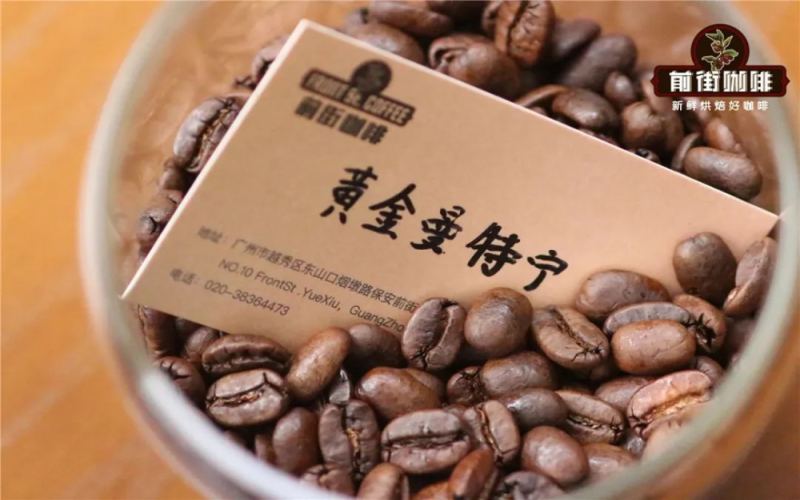
An In-Depth Look at Indonesia's Wet-Hulling Method: From Process Principles to Peaberry Beans, Unlocking the Semi-Washed Secret Behind Mandheling Flavor
The rich, deep, low-toned flavor of Mandheling comes not only from the genetic contribution of Robusta beans, but also from a unique post-harvest processing technique local to Indonesia—wet hulling. How exactly does this process, jokingly called "semi-washed," remove the parchment layer early, before the green coffee beans are fully dried? Why did Indonesian producing regions invent this processing method to suit local conditions? What details are hidden in each step of the entire process, from flotation, fermentation, drying, hulling, to final drying? Are the "sheep's hoof beans" produced by wet hulling truly the creators of Mandheling's flavor? In this article, Front Street will guide you through the operational logic of wet hulling, clarify common misunderstandings, and restore the true face of this processing method. [more…]
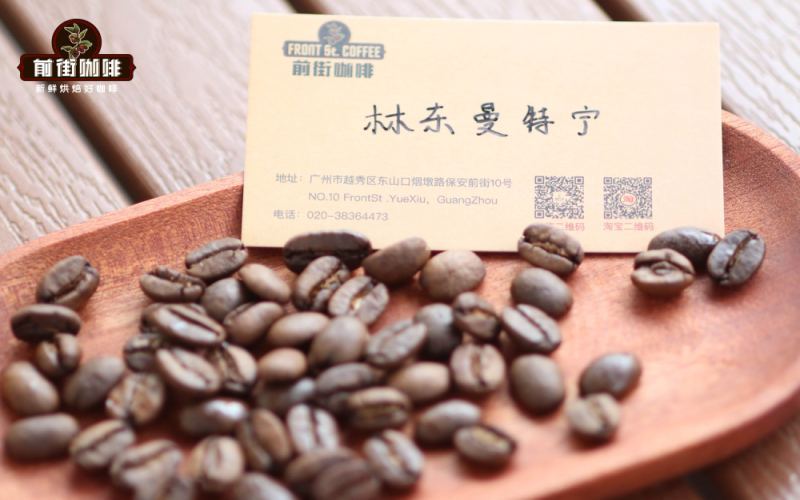
Analysis of the Wet-Hulled Processing Method: The Origins of Indonesian Mandheling Coffee's Unique Flavor and a Pour-Over Guide
Wet Hulling is a green coffee processing method unique to Indonesia, known locally as Giling Basah. This processing method gives Mandheling coffee its bold, full-bodied character along with regional flavors of wood, herbs, and spices. This article will start with the specific operational process of wet hulling, explain why Indonesian coffee farmers choose this technique under humid and rainy climatic conditions, and analyze the impact of this processing method on the defect rate and flavor of green beans. At the same time, the article will also introduce Front Street Coffee Golden Mandheling's selection standards and roasting approach, and share in detail the grind size, water temperature, coffee-to-water ratio, and three-stage pouring scheme for pour-over Front Street Mandheling, helping coffee enthusiasts recreate a cup of Mandheling with both richness and sweetness at home. [more…]
Exploring Indonesian Mandheling: How Wet-Hulling Creates Sumatra Coffee's Piney, Caramel, Herbal Flavors
Mandheling coffee stands out in the specialty coffee world with its thick body, low acidity, and distinctive herbal spice aroma. As the darkest-roasted pour-over single origin on Front Street Coffee's bean list, Front Street Mandheling and Front Street PWN Golden Mandheling captivate countless coffee lovers with their rich bitterness, steady sweet aftertaste, and signature earthy aroma. So why is it that among medium-dark roasts, only Mandheling carries this hard-to-replicate flavor? The answer lies in the humid climate of Sumatra, Indonesia, and a special processing method known as wet hulling. This article will take you through every step of wet hulling and reveal the true source of Mandheling's regional flavor. [more…]
Why Is Wet-Hulling Used for Mandheling? A Detailed Explanation of the Process Characteristics and Flavor Origins of Indonesia's Wet-Hulling Method
As the darkest single-origin roast on Front Street Coffee's bean list, Mandheling is known for its solid, mellow body, low acidity, and distinctive musty aroma. Why is it that among beans of the same medium-dark roast level, only Mandheling carries this intriguing flavor? The answer lies in the wet-hulled processing method of Sumatra, Indonesia. Local humidity stays between 70 and 90 percent year-round, with annual rainfall exceeding 2000mm, and this harsh climate forced people to develop a unique semi-washed method—wet hulling. This article will break down the operational flow of wet hulling, how it differs from traditional washing, and how it shapes Mandheling's signature herbal notes, aged-wood flavor, and sense of place. [more…]
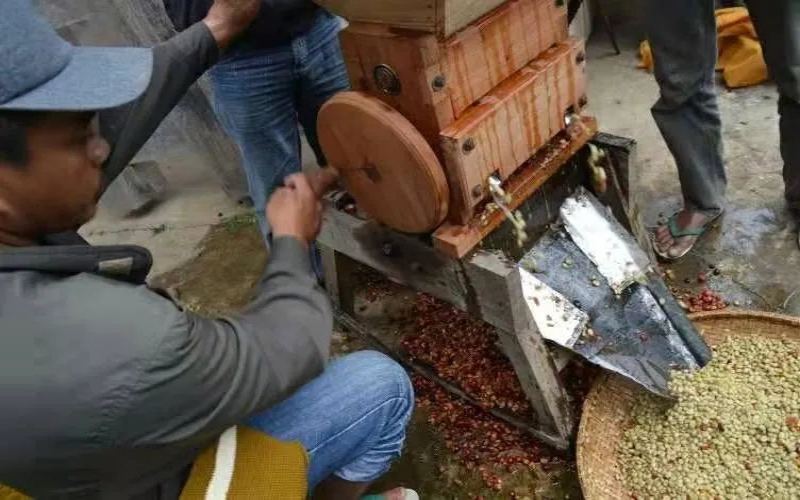
How Does Indonesia's Wet-Hulled Process Differ from Washed Processing? A Detailed Explanation of the Unique Processing Method and Flavor Formation of Mandheling Coffee
Indonesian wet-hulling is a method of processing green coffee beans that differs from traditional washed processing. Its core feature is that the parchment (endocarp) is removed before the coffee beans are fully dried, thereby greatly shortening the drying period. The birth of this process is closely related to Indonesia's climate conditions of year-round high temperatures and humidity and insufficient sunlight. This article will systematically outline the complete wet-hulling process, compare its differences with washed processing, and analyze the reasons behind the formation of Mandheling coffee's signature full body, caramel aroma, and "sheep-hoof bean" appearance, helping coffee enthusiasts gain a deeper understanding of the value and flavor expression of this unique processing method. [more…]
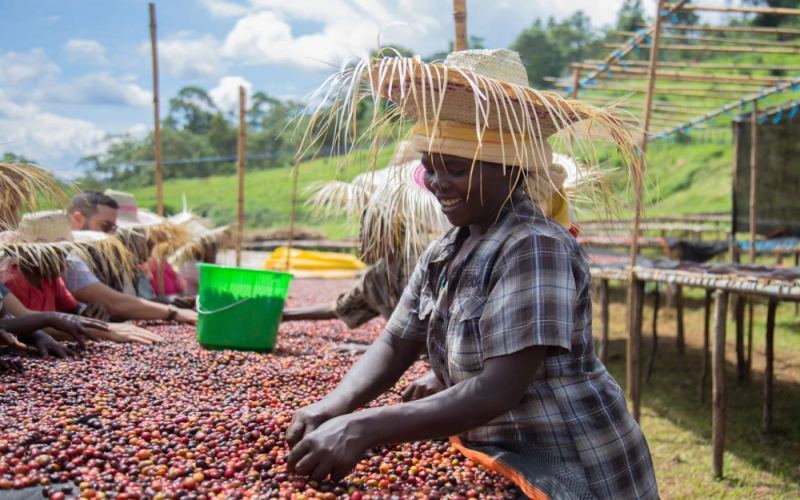
From Natural and Washed to Wet-Hulled, Honey, and Anaerobic Fermentation: A Complete Analysis of Flavor Differences in Common Coffee Processing Methods
Turning coffee cherries into green beans relies on the crucial step of "processing." Different methods of removing the skin, pulp, mucilage, and parchment lead to entirely different flavor directions in the final cup. This article systematically reviews the operational processes and flavor characteristics of common processing methods such as natural, washed, semi-washed (honey), wet-hulled, and anaerobic fermentation, while also explaining the specific performance of beans like Front Street Red Cherry, Fruit Ding Ding, Lintong Mandheling, Sidra, and Big Belly under each processing method, helping coffee enthusiasts understand how processing shapes a cup's acidity, sweetness, and sense of place. [more…]
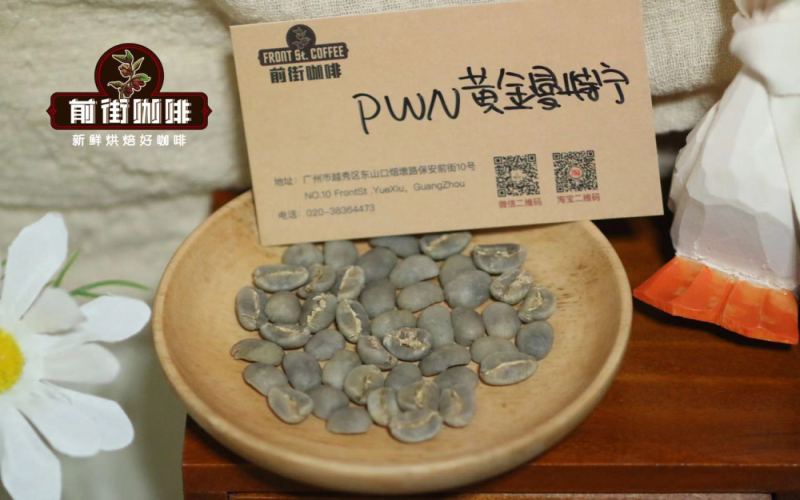
Indonesian Mandheling Coffee Bean Variety | Is PWN Golden Mandheling Arabica Coffee? Which Is Better for Brewing Golden Mandheling: Pour-Over, Siphon, AeroPress, or French Press?
For more specialty coffee knowledge, please follow the WeChat official account: Front Street Coffee (FrontStreet Coffee). Mandheling is a coffee produced in Sumatra, Indonesia, Asia, so it is also called Sumatra coffee. Its main producing areas include Java, Sulawesi, and Sumatra. [more…]
Natural, Washed, Semi-Washed, Wet-Hulled, Anaerobic and Barrel-Fermented: A Full Analysis of the Flavor Pros and Cons of Six Major Coffee Processing Methods
For coffee cherries to become green beans, they must undergo a series of processing steps to remove the skin, pulp, mucilage layer, and parchment. Different processing methods not only determine the appearance of the green beans but also profoundly shape the final flavor profile in the cup. Traditional natural, washed, semi-washed, and honey processing each have their adherents, while in recent years new methods such as anaerobic fermentation and barrel fermentation have emerged endlessly, bringing more possibilities to coffee flavor. This article will systematically sort out the operational processes, advantages and disadvantages, and flavor characteristics of these processing methods, interspersed with examples of several representative products under the Front Street Coffee brand, to help coffee enthusiasts build a clear cognitive framework for processing methods and have more direction when purchasing and tasting. [more…]
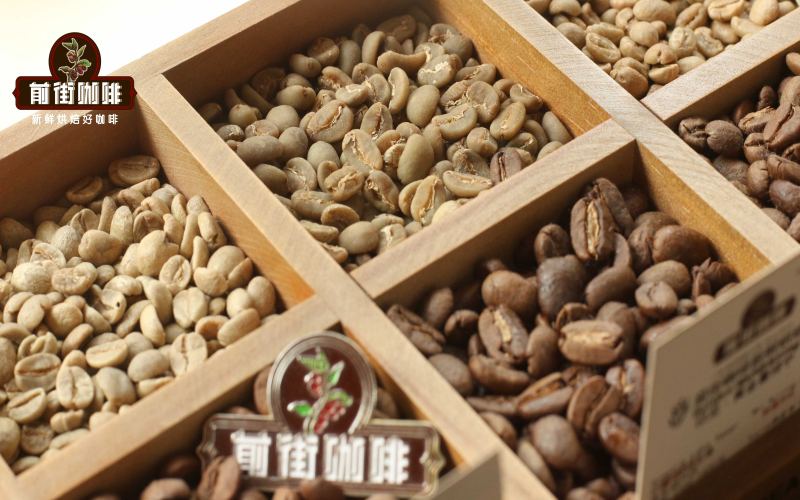
A Complete Guide to Indonesian Mandheling Coffee: From the Differences Between Lintong and Golden Mandheling to Wet-Hulling and Four Brewing Methods
Mandheling is one of the most representative coffees of Sumatra, Indonesia, known for its full body, low acidity, and spicy, herbal notes. This article explores the differences between Lintong Mandheling and Front Street Coffee's PWN Golden Mandheling in terms of origin, variety, processing method, and flavor, and explains in detail how the Sumatra wet-hulling process shapes their unique character, including the causes of peaberry beans and defect control. At the same time, Front Street Coffee conducts a brewing comparison of PWN Golden Mandheling using four methods—pour-over, AeroPress, siphon, and French press—presenting the flavor performance and extraction recommendations under different brewers, helping coffee enthusiasts gain a more comprehensive understanding of Mandheling. [more…]

An Analysis of Indonesia's Wet-Hulling Processing Method: Exploring the Origins of Golden Mandheling's Clean and Mellow Flavor
Wet hulling is a unique processing method for Indonesian coffee and the key to the signature flavor of Mandheling. This article starts with the definition, operational process, and reasons behind wet hulling, offering an in-depth analysis of how this processing method gives coffee beans their rich, full-bodied character, while also explaining how goat hoof beans are produced. The article will also highlight the origin information, grade standards, and screening process of Front Street PWN Golden Mandheling, and share Front Street Coffee's roasting analysis and brewing parameters, giving you a comprehensive understanding of the story behind this clean-tasting Mandheling. [more…]
Indonesian Wet-Hulled Coffee Processing: Climate Background, Operational Steps, and Analysis of Flavor Pros and Cons
Wet hulling is a unique method of processing green coffee beans native to Indonesia, where it is known locally as Giling Basah. Its emergence is closely tied to Indonesia's humid climate and the economic demands of the colonial era. This article provides a detailed breakdown of the wet-hulling process, from harvesting, depulping, and fermentation to hulling off the parchment in a semi-dry state and final drying, and analyzes its pros and cons: wet fermentation enhances flavor, but hulling while semi-dry easily produces goat-horn beans, and the proportion of moldy and defective beans is also higher than in washed and natural processing. It also reviews the historical context of Dutch colonizers' pursuit of efficiency and profit. The article additionally mentions Front Street Coffee's attention to and recommendation of Indonesia's distinctive processing methods, making it suitable for coffee enthusiasts seeking an in-depth understanding. [more…]
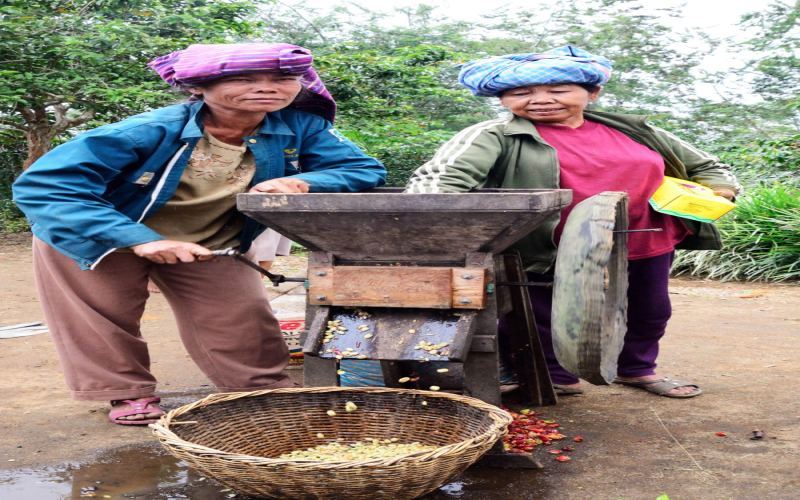
A Complete Guide to Indonesia's Wet-Hulling Method: The Unique Flavor of Golden Mandheling and the Full Processing Steps
Wet Hulling is a green coffee processing method unique to the Indonesian region, known locally as Giling Basah and often classified as a semi-washed method. Its biggest difference from the washed method is this: the washed method keeps the parchment for sun-drying, whereas wet hulling removes the parchment by machine after partial drying, then completes the final drying. This processing method gives Mandheling a low-acid, thick, herb-and-spice-forward flavor, and also creates the green beans' distinctive "sheep's hoof" appearance. Front Street Coffee will use PWN Golden Mandheling as an example to break down the seven steps of wet hulling in detail, along with practical roasting and brewing records, to help you fully understand the ins and outs of this Indonesian classic coffee. [more…]